Progressive state lawmaker Zohran Mamdani won New York City’s Democratic mayoral primary on Tuesday, defeating former Governor Andrew Cuomo in a stunning upset that reshaped the city’s political landscape and signaled a growing generational and ideological shift within the Democratic Party.
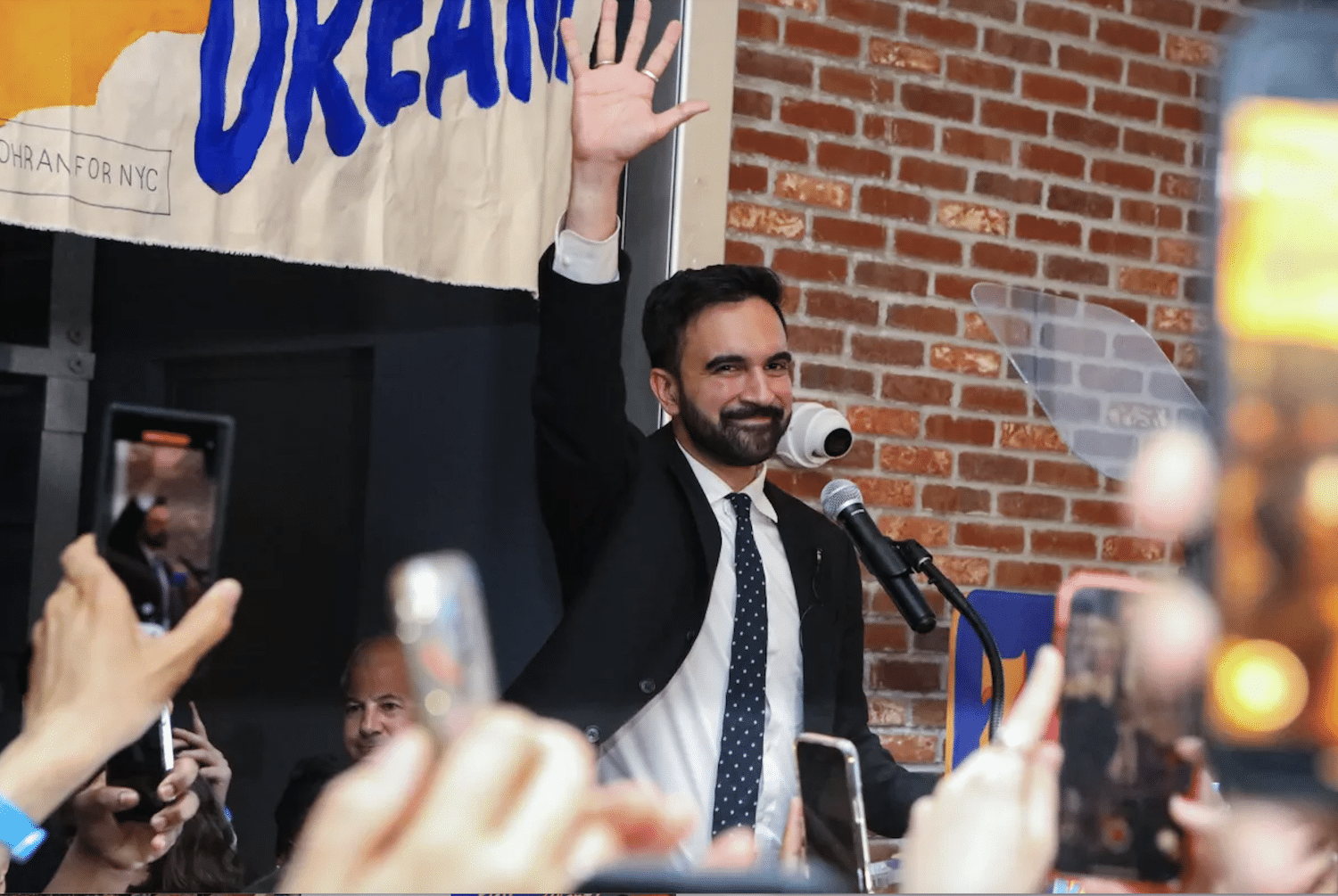
Mamdani, 33, a Democratic Socialist and two-term Assembly member from Queens, secured a leading share of first-round ballots under the city’s ranked-choice voting system. With nearly all precincts reporting, Mamdani held approximately 43% of first-choice votes, ahead of Cuomo with about 36% and City Comptroller Brad Lander at 11%. Final results are expected by July 1, following the distribution of lower-ranked preferences.
Cuomo, once considered the frontrunner, conceded on election night. “The people have spoken,” he said in a brief statement, acknowledging a “changed political environment.”
Grassroots Campaign, National Implications
Mamdani’s campaign, built around a message of economic justice, climate equity, and social housing, drew support from a broad coalition of young voters, immigrant communities, and left-leaning advocacy groups. His platform included proposals to make public transportation free, freeze rents, expand municipal grocery stores, and invest over \$60 million in trans and LGBTQ+ healthcare access.
Backed by the Democratic Socialists of America (DSA), Mamdani relied on a volunteer-driven ground operation and a highly targeted digital outreach campaign, including viral social media content aimed at mobilizing first-time and younger voters.
“This is a victory for a politics that puts working-class people first,” Mamdani said during his victory speech in Jackson Heights. “Our city can be a home for all, not just the wealthy and well-connected.”
Surge in Youth, Multiracial Voter Turnout
Exit polls and early turnout data suggest Mamdani’s campaign helped drive a significant increase in participation among voters under 35, particularly in neighborhoods such as Sunset Park, Flushing, and the South Bronx. He also performed strongly in historically underrepresented communities, including South Asian, Arab, Latino, and Black constituencies.
In contrast, Cuomo drew support from older and more moderate voters, as well as parts of Manhattan and Staten Island. However, his efforts to frame the race around experience and public safety failed to gain traction amid calls for systemic change and post-pandemic recovery strategies centered on equity.
National Spotlight and Political Blowback
Mamdani’s victory is expected to reverberate beyond New York City. National Democratic leaders are watching closely as progressive candidates across the country challenge entrenched figures on issues ranging from housing affordability to U.S. foreign policy.
Critics have already seized on Mamdani’s past comments on Israel and his endorsement of a ceasefire during the 2023 Gaza conflict. Some Jewish organizations have expressed concern, while Republicans are using the result to claim the Democratic Party is shifting too far left ahead of the 2026 midterms.
“He is not just another mayoral candidate. He is the future of the Democratic Party — and that should worry Democrats,” said one senior GOP strategist.
General Election Outlook
Mamdani now enters a three-way general election in November against Republican nominee Curtis Sliwa and incumbent Mayor Eric Adams, who is seeking re-election as an independent after bypassing the primary. Cuomo has not ruled out mounting an independent campaign of his own, raising the possibility of a fractured center-left vote.
Pollsters expect a contentious general election campaign, with public safety, cost of living, and Mamdani’s foreign policy views likely to be central points of debate.
If elected, Mamdani would become New York City’s first Muslim and South Asian mayor, and one of the most left-leaning mayors of any major U.S. city.
 NYC Journals