Global financial markets experienced significant turbulence on July 16, 2025, as political uncertainty in Washington intersected with fresh economic data, prompting investor caution across major asset classes.
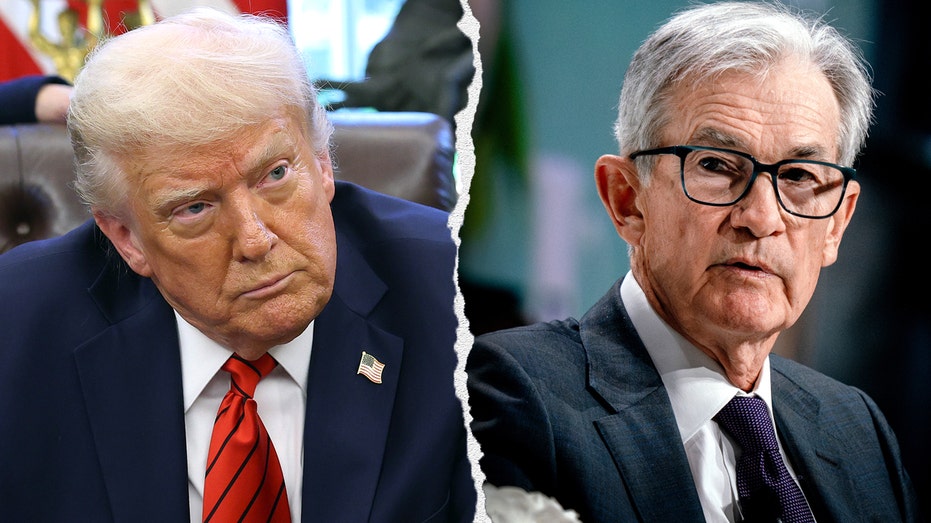
The day’s volatility was initially triggered by widespread reports that President Donald Trump was considering dismissing Federal Reserve Chair Jerome Powell, fueling fears of political interference in central bank independence. The speculation sent the U.S. dollar and short-term Treasury yields tumbling as markets grappled with the prospect of disruption to the Federal Reserve’s monetary policy. However, the turmoil eased after Trump publicly denied the rumors, characterizing the idea of firing Powell as “highly unlikely,” which helped restore a degree of calm in currency and bond markets.
Despite the reassurances, the episode exposed lingering investor concerns over the political environment’s impact on Federal Reserve operations, especially as Powell faces intense scrutiny over interest rate decisions amid a slowing economy. The Federal Reserve has signaled patience in future rate cuts, but traders remain on edge given the unpredictability surrounding the administration’s stance.
Compounding the uncertainty, fresh data revealed that U.S. consumer prices rose 0.3% in June—the largest monthly increase since January—driven in large part by rising import tariffs. This inflation uptick underscores the persistent challenge that tariffs pose to the economy, complicating the Federal Reserve’s efforts to balance growth and price stability. Economists warned that sustained tariff-induced inflation could delay anticipated interest rate reductions, keeping borrowing costs elevated for longer.
Equities, while initially rattled, recovered to close modestly higher by the end of the trading session. The Nasdaq Composite notably recorded a new closing high, buoyed by strength in technology stocks, while the broader S&P 500 and Dow Jones Industrial Average also posted gains. Analysts attributed the resilience to investors’ willingness to look past short-term political noise and focus on underlying corporate earnings, which remain broadly positive.
Across the Atlantic, European markets presented a more cautious picture. The STOXX Europe 600 index declined by 0.2%, weighed down by a sharp sell-off in semiconductor equipment maker ASML, whose shares dropped 7.7% following a disappointing outlook for 2026. Automotive stocks also lagged, with Renault shares plunging 15.9% after the company slashed its operating margin forecast amid supply chain and inflationary pressures.
In Asia, market sentiment was similarly subdued. Regional indices struggled as the stronger-than-expected U.S. inflation report dampened hopes for an early easing of Federal Reserve policy. The U.S. dollar surged against major currencies, notably the Japanese yen, reflecting higher U.S. Treasury yields and a repricing of global interest rate expectations. Yet technology sector equities offered a bright spot, with Nvidia shares rallying nearly 4%, underscoring the continued investor appetite for AI-related growth stocks.
Market commentators highlighted the delicate balancing act facing investors navigating a complex global backdrop marked by geopolitical risks, economic uncertainties, and shifting policy dynamics. The interplay between tariff inflation and central bank signaling will be key to watch in the coming weeks, as any further surprises could trigger renewed volatility.
The day’s events also rekindled debate about the potential consequences of political interference in Federal Reserve governance, with some economists warning that eroding central bank independence could undermine market confidence and economic stability.
 NYC Journals